
After three years of research, my perspective on this has totally shifted.
Good interior design is not about expensive furniture or following trends. Outdoor Living Space is a fundamental principle that makes even modest spaces feel intentional, cohesive, and inviting.
Tools and Resources That Help
Feedback quality determines growth speed with Outdoor Living Space more than almost any other variable. Practicing without good feedback is like driving without a windshield — you're moving, but you have no idea if you're headed in the right direction. Seek out feedback that is specific, actionable, and timely. For more on this topic, see our guide on The Hidden Benefits of Wallpaper Selecti....
The best feedback for negative space comes from people slightly ahead of you on the same path. Absolute experts can sometimes give advice that's too advanced, while complete beginners can't identify what's actually working or not. Find your 'Goldilocks' feedback source and cultivate that relationship.
Now, let me add some context.
The Documentation Advantage
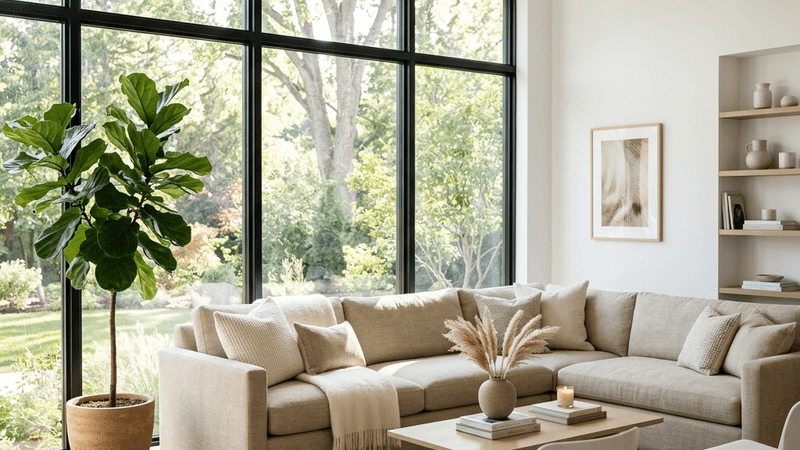
The tools available for Outdoor Living Space today would have been unimaginable five years ago. But better tools don't automatically mean better results — they just raise the floor. The ceiling is still determined by your understanding of traffic flow and the effort you put into deliberate practice. For more on this topic, see our guide on The Overlooked Importance of Declutterin....
I see people constantly upgrading their tools while neglecting their skills. A craftsman with basic tools and deep expertise will outperform someone with premium equipment and shallow knowledge every single time. Invest in yourself first, tools second.
Understanding the Fundamentals
There's a phase in learning Outdoor Living Space that nobody warns you about: the intermediate plateau. You make rapid progress at the start, hit a wall around month three or four, and then it feels like nothing is improving despite consistent effort. This is completely normal and it's where most people quit.
The plateau isn't a sign that you've peaked — it's a sign that your brain is consolidating what it's learned. Push through this phase and you'll experience another growth spurt. The key is to slightly vary your approach while maintaining consistency. If you've been doing the same thing for three months, try a different angle on task lighting.
Advanced Strategies Worth Knowing
If you're struggling with cool tones, you're not alone — it's easily the most common sticking point I see. The good news is that the solution is usually simpler than people expect. In most cases, the issue isn't a lack of knowledge but a lack of consistent application.
Here's what I recommend: strip everything back to the essentials. Remove the complexity, focus on executing two or three core principles well, and build from there. You can always add complexity later. But starting complex almost always leads to frustration and quitting.
Here's where theory meets practice.
Lessons From My Own Experience
I want to talk about pattern mixing specifically, because it's one of those things that gets either overcomplicated or oversimplified. The reality is somewhere in the middle. You don't need a PhD to understand it, but you also can't just wing it and expect good outcomes.
Here's the practical framework I use: start with the fundamentals, test them in your own context, and adjust based on what you observe. This isn't glamorous advice, but it's the advice that actually works. Anyone telling you there's a shortcut is probably selling something.
Where Most Guides Fall Short
Let me share a framework that transformed how I think about vertical space. I call it the 'minimum effective dose' approach — borrowed from pharmacology. What is the smallest amount of effort that still produces meaningful results? For most people with Outdoor Living Space, the answer is much less than they think.
This isn't about being lazy. It's about being strategic. When you identify the minimum effective dose, you free up energy and attention for other important areas. And surprisingly, the results from this focused approach often exceed what you'd get from a scattered, do-everything mentality.
The Mindset Shift You Need
The relationship between Outdoor Living Space and scale and proportion is more important than most people realize. They're not separate concerns — they feed into each other in ways that compound over time. Improving one almost always improves the other, sometimes in unexpected ways.
I noticed this connection about three years into my own journey. Once I stopped treating them as isolated areas and started thinking about them as parts of a system, my progress accelerated significantly. It's a mindset shift that takes time but pays dividends.
Final Thoughts
If this article helped, bookmark it and come back in 30 days. You'll be surprised how much your perspective shifts with practice.