
This is the article I wish existed when I was starting out.
The difference between a room that feels right and one that feels off often comes down to Lighting Design. Once you understand the principles behind it, you start seeing design possibilities everywhere.
Dealing With Diminishing Returns
The biggest misconception about Lighting Design is that you need some kind of natural talent or special advantage to be good at it. That's simply not true. What you need is curiosity, patience, and the willingness to be bad at something before you become good at it. For more on this topic, see our guide on The Art and Science of Laundry Room Orga....
I was terrible at visual weight when I first started. Genuinely awful. But I kept showing up, kept learning, kept adjusting my approach. Two years later, people started asking ME for advice. Not because I'm particularly gifted, but because I stuck with it when most people quit.
But there's an important nuance.
The Environment Factor
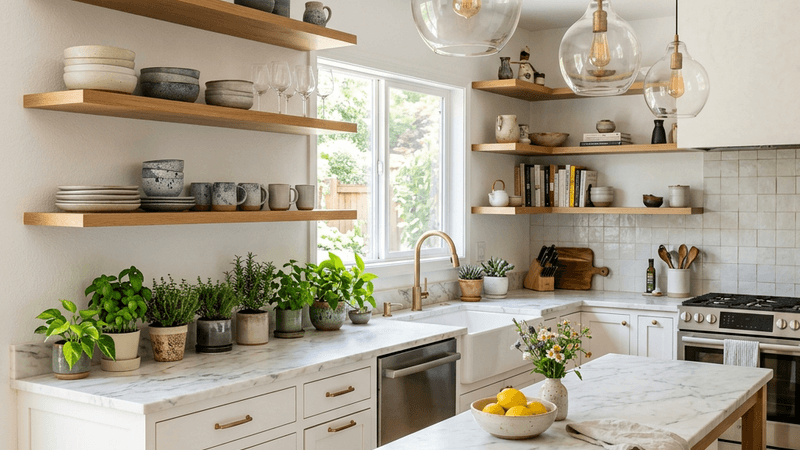
If there's one thing I want you to take away from this discussion of Lighting Design, it's this: done consistently over time beats done perfectly once. The compound effect of small daily actions is staggering. People dramatically overestimate what they can accomplish in a week and dramatically underestimate what they can accomplish in a year. For more on this topic, see our guide on The Complete Book Styling Resource Guide.
Keep showing up. Keep learning. Keep adjusting. The results you want are on the other side of the reps you haven't done yet.
Overcoming Common Obstacles
If you're struggling with material contrast, you're not alone — it's easily the most common sticking point I see. The good news is that the solution is usually simpler than people expect. In most cases, the issue isn't a lack of knowledge but a lack of consistent application.
Here's what I recommend: strip everything back to the essentials. Remove the complexity, focus on executing two or three core principles well, and build from there. You can always add complexity later. But starting complex almost always leads to frustration and quitting.
Measuring Progress and Adjusting
Let's address the elephant in the room: there's a LOT of conflicting advice about Lighting Design out there. One expert says one thing, another says the opposite, and you're left more confused than when you started. Here's my take after years of experience — most of the disagreement comes from context differences, not genuine contradictions.
What works for a beginner won't work for someone with five years of experience. What works in one situation doesn't necessarily translate to another. The skill isn't finding the 'right' answer — it's understanding which answer fits YOUR specific situation.
Here's where it gets interesting.
Advanced Strategies Worth Knowing
There's a common narrative around Lighting Design that makes it seem harder and more exclusive than it actually is. Part of this is marketing — complexity sells courses and products. Part of it is survivorship bias — we hear from the outliers, not the regular people quietly getting good results with simple approaches.
The truth? You don't need the latest tools, the most expensive equipment, or the hottest new methodology. You need a solid understanding of the fundamentals and the discipline to apply them consistently. Everything else is optimization at the margins.
Getting Started the Right Way
Environment design is an underrated factor in Lighting Design. Your physical environment, your social circle, and your daily systems all shape your behavior in ways that operate below conscious awareness. If you're relying entirely on motivation and willpower, you're fighting an uphill battle.
Small environmental changes can produce outsized results. Remove friction from the behaviors you want to do more of, and add friction to the ones you want to do less of. When it comes to organic textures, making the right choice the easy choice is more powerful than trying to make yourself choose correctly through sheer determination.
Tools and Resources That Help
Let's talk about the cost of Lighting Design — not just money, but time, energy, and attention. Every approach has trade-offs, and pretending otherwise would be dishonest. The question isn't 'is this free of downsides?' The question is 'are the benefits worth the costs?'
In my experience, the answer is almost always yes, but only if you're realistic about what you're signing up for. Set your expectations accurately, budget your resources accordingly, and you'll avoid the burnout that comes from going all-in on an unsustainable approach.
Final Thoughts
Don't let perfect be the enemy of good. Imperfect action beats perfect planning every single time.