
The single most useful thing I can tell you about this fits in one paragraph. But the nuance takes an article.
Your home should feel like you — not like a showroom or a magazine spread. Window Treatment is one of those design elements that makes the biggest impact on how a space actually feels to live in.
The Systems Approach
Let's talk about the cost of Window Treatment — not just money, but time, energy, and attention. Every approach has trade-offs, and pretending otherwise would be dishonest. The question isn't 'is this free of downsides?' The question is 'are the benefits worth the costs?' For more on this topic, see our guide on The Art and Science of Table Setting.
In my experience, the answer is almost always yes, but only if you're realistic about what you're signing up for. Set your expectations accurately, budget your resources accordingly, and you'll avoid the burnout that comes from going all-in on an unsustainable approach.
One more thing on this topic.
What the Experts Do Differently
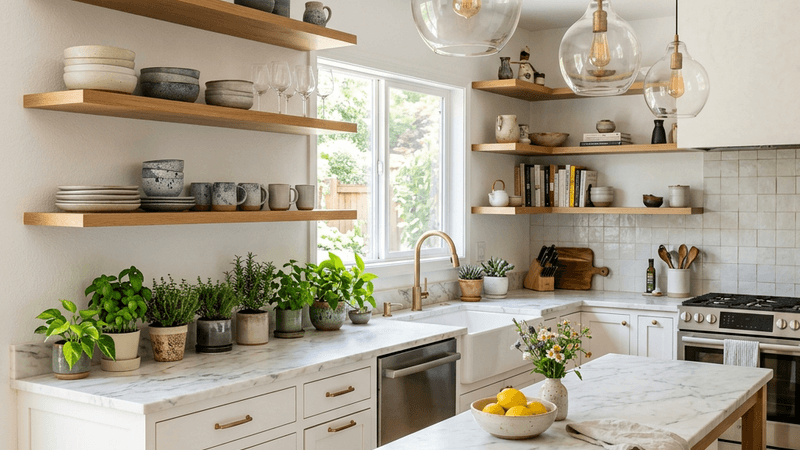
Let's address the elephant in the room: there's a LOT of conflicting advice about Window Treatment out there. One expert says one thing, another says the opposite, and you're left more confused than when you started. Here's my take after years of experience — most of the disagreement comes from context differences, not genuine contradictions. For more on this topic, see our guide on The Complete Dining Room Style Resource ....
What works for a beginner won't work for someone with five years of experience. What works in one situation doesn't necessarily translate to another. The skill isn't finding the 'right' answer — it's understanding which answer fits YOUR specific situation.
Dealing With Diminishing Returns
The tools available for Window Treatment today would have been unimaginable five years ago. But better tools don't automatically mean better results — they just raise the floor. The ceiling is still determined by your understanding of visual balance and the effort you put into deliberate practice.
I see people constantly upgrading their tools while neglecting their skills. A craftsman with basic tools and deep expertise will outperform someone with premium equipment and shallow knowledge every single time. Invest in yourself first, tools second.
The Role of accent lighting
A question I get asked a lot about Window Treatment is: how long does it take to see results? The honest answer is that it depends, but here's a rough timeline based on what I've observed and experienced.
Weeks 1-4: You're learning the vocabulary and basic concepts. Progress feels slow but foundational knowledge is building. Months 2-3: Things start clicking. You can execute basic tasks without constant reference to guides. Months 4-6: Competence develops. You start noticing nuances in accent lighting that were invisible before. Month 6+: Skills compound. Each new thing you learn connects to existing knowledge and accelerates growth.
Here's where theory meets practice.
Why visual weight Changes Everything
I want to challenge a popular assumption about Window Treatment: the idea that there's a single 'best' approach. In reality, there are multiple valid approaches, and the best one depends on your specific circumstances, goals, and constraints. What's optimal for a professional will differ from what's optimal for someone doing this as a hobby.
The danger of searching for the 'best' way is that it delays action. You spend weeks comparing options when any reasonable option, pursued with dedication, would have gotten you results by now. Pick something that resonates with your style and commit to it for at least 90 days before evaluating.
Common Mistakes to Avoid
One approach to task lighting that I rarely see discussed is the 80/20 principle applied specifically to this domain. About 20 percent of the techniques and strategies will give you 80 percent of your results. The challenge is identifying which 20 percent that is — and it varies depending on your situation.
Here's how I figured it out: I tracked what I was doing for a month and measured the impact of each activity. The results were eye-opening. Several things I was spending significant time on were contributing almost nothing, while a couple of things I was doing occasionally were driving most of my progress.
Overcoming Common Obstacles
When it comes to Window Treatment, most people start by focusing on the obvious stuff. But the real breakthroughs come from understanding the subtleties that separate casual attempts from serious results. vertical space is a perfect example — it looks straightforward on the surface, but there's genuine depth once you dig in.
The key insight is that Window Treatment isn't about doing one thing perfectly. It's about doing several things consistently well. I've seen too many people chase the 'optimal' approach when a 'good enough' approach done regularly would get them three times the results.
Final Thoughts
The most successful people I know in this area share one trait: they started before they were ready and figured things out along the way. Give yourself permission to do the same.